
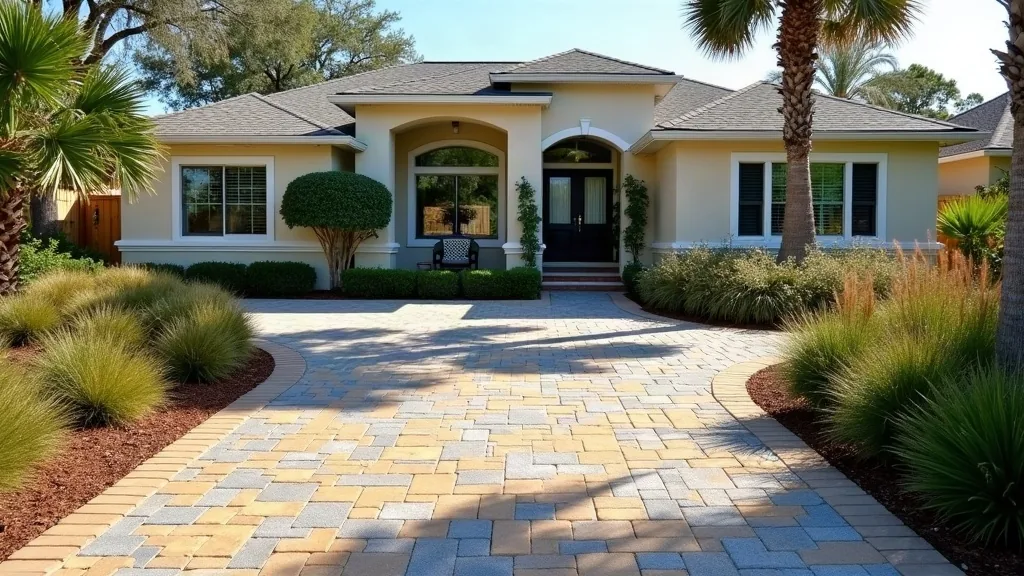
Paver sealing for Jacksonville Beach homes
Paver Sealing in Jacksonville Beach, FL
Pavers fading in Jacksonville Beach? Get local help from Neptune Beach Paver Sealing. Call (904) 906-9979
- Brings out deeper paver color
- Fresh joint sand helps lock pavers in place
- Gives weeds less room to grow
- Makes the surface easier to keep clean
- Free estimate, no obligation
Request a Free Estimate
Free, no obligations.
Paver sealing help in Jacksonville Beach
Jacksonville Beach is where US 90 runs out of road, three blocks short of the Atlantic. Maybe your pavers near A1A have gone flat and chalky, with black tire marks where the car turns in and sand sitting in the low corner of the drive. A wash, new joint sand and a fresh coat bring back one even color you can hose off in a minute. Want that look on your own driveway? An independent Duval County contractor can give you a free estimate, no obligation, if you request a quote.
Nobody on this site does the work. The site connects Jacksonville Beach homeowners with a contractor, and that contractor visits your home, gives you a price and takes care of the washing, sanding and sealing. Rather talk it through? Call (904) 906-9979 and tell them about the surface you have in mind.
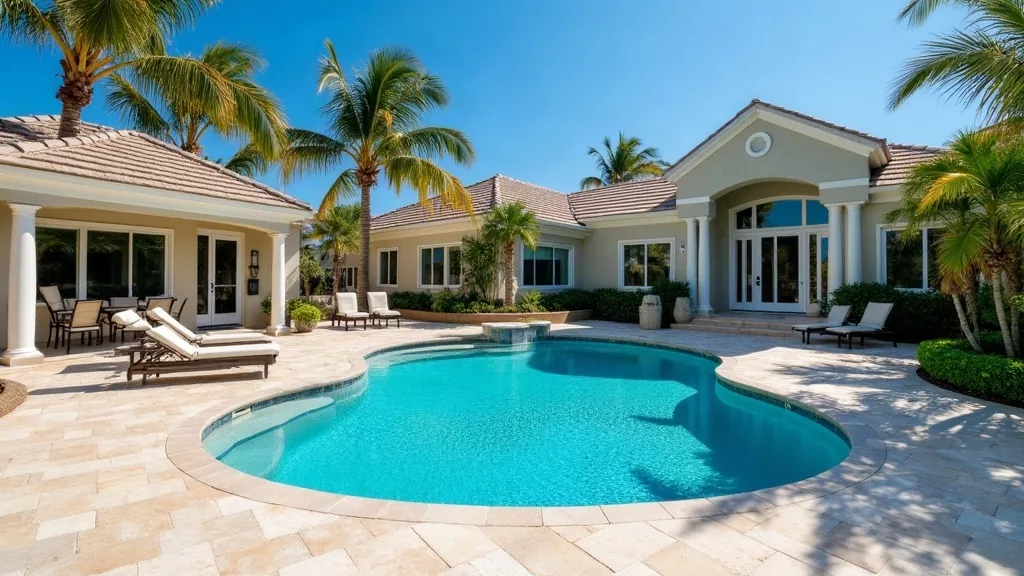
5 common paver problems in Jacksonville Beach
The same air that wore out Little Coney Island
The Pavilion at Jacksonville Beach, later called Little Coney Island, came down in 1925 after constant weathering of its wooden structure. Salt air is still here. University of Florida gardening advice warns that homes near salt water often see salt spray hurt the plants, and your pavers sit out in that same air. Salty grime needs to come off before a sealer goes on, or the coat holds it against the surface.
Water and sand after a storm comes over the dunes
News4Jax showed Hurricane Matthew surging over the dunes at Jacksonville Beach in 2016, and the storm brought major flooding along with a mandatory evacuation. Storm water leaves a dirty film on the pavers it covers, and low joints collect whatever it carried. Sealing over that traps it. A good wash comes first, then a close look at whether any section sank.
Tire scuffs on a short driveway
Jacksonville Beach packs about 1,748 housing units into each square mile, so many driveways are short and cars turn in the same spot every day. One local company says that weight and turning tires are what loosen joint sand and let pavers creep. A matte coat keeps its looks longer than wet look on a tight drive off Third Street, where tires scrub the same pavers daily.
Sealer that turns cloudy in the humidity
The city has a humid subtropical climate, and sealer needs a dry surface. When sealer goes cloudy, one Jacksonville paver company says the cause is almost always damp pavers or an overly heavy coat. A surface that looks dry at noon can still hold moisture in the joints after a morning rain. That is one reason to choose someone patient about the schedule.
Rust and oil where the car sits
A local paver company lists oil drips, tire marks and rust from irrigation water among the things driveways collect. In Jacksonville Beach, where a car may sit on the same few pavers every night, those spots can get dark and stay that way. Those stains need treating before sealing, because a clear coat shows them off for years. Ask how each stain will be handled before anyone quotes you a finish.
Between A1A, Beach Boulevard and Butler
Beach Boulevard follows the old bed of the Jacksonville and Atlantic Railroad. Three roads frame most of Jacksonville Beach. Beach Boulevard ends at A1A close to the sand, A1A itself runs as the main commercial strip, and Butler Boulevard comes in at 3rd Street South in the southern part of town. Lots near those corridors see more traffic than a quiet street near Seabreeze Elementary. Say where you are when you request a quote, and the contractor can plan the visit around it.
Housing here includes a collection of mid-century modern homes, some by architect William Morgan. The Casa Marina Hotel from 1925 and the 1947 Red Cross Life Saving Station show how long people have been building right against the sand. A low mid-century home with pavers tight to the walls calls for care with rinse water, so call (904) 906-9979 and mention the style of your house.
City zoning limits matter if you plan to add pavers. The code for the RS-1, RS-2 and RS-3 single-family districts lists a maximum impervious surface of 50 percent. Sealing what is already there adds no new surface, but a wider driveway or new patio is a different question. Check your district with the city, then request a quote for the sealing side of the project, with no obligation.
Why Jacksonville Beach chooses Neptune Beach Paver Sealing
You could call around and compare a long list of companies in Duval County yourself. This site exists so you do not have to. To try it, request a quote.
Free estimate
Tell us what you need in Jacksonville Beach and a contractor who works in the area will look at the job and price it.
Local price range
Northeast Florida companies commonly publish $1.50 to $2.50 per square foot for clean, sand and seal, so you know the range going in.
Your choice of finish
Pick a natural matte look or a deeper wet look. The contractor can explain how each one will wear on your surface.
You decide
Get the price in writing and take your time. Nothing moves forward at your Jacksonville Beach home until you say so.
Get Your Free Estimate in Jacksonville Beach
Tell us about your pavers in Jacksonville Beach.
Free, no obligations
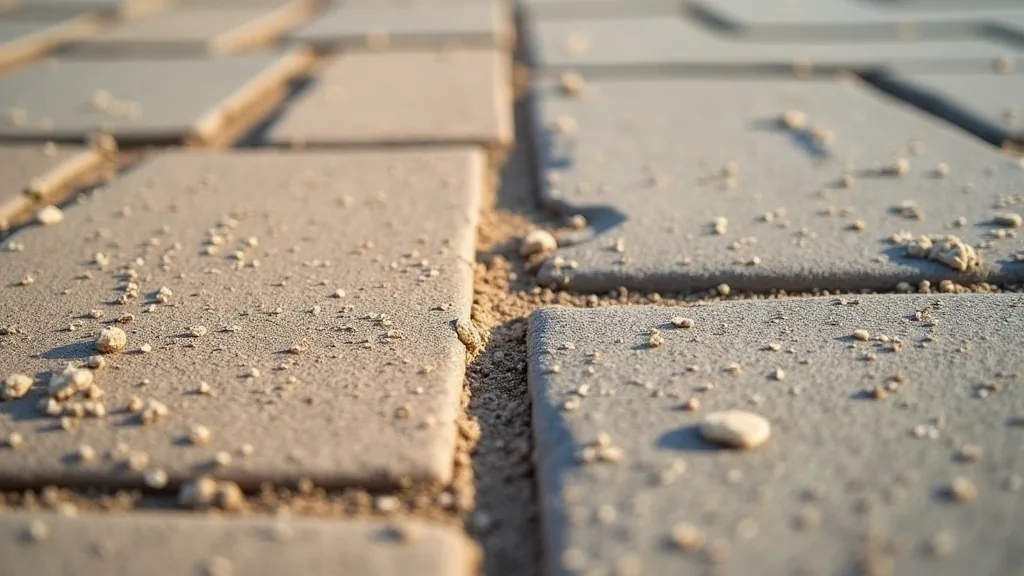
Paver sealing pricing in Jacksonville Beach
Ask what each quote includes, since one that skips sand replacement is not the same job. Northeast Florida companies tend to post $1.50 to $2.50 a square foot for a complete clean, sand and seal job. What moves a Jacksonville Beach job around in that range is stains, storm grime, missing joint sand and any older coat. Total cost follows total area, so a driveway plus a pool deck adds up even at the same rate. For a price on your pavers, request a quote, and the estimate is free.
Tight lots change the day as well. On a narrow block near A1A, gear may need to be carried in by hand and parking for the crew can take some planning. A wide driveway on a side street off Butler is a simpler setup. Call (904) 906-9979 and ask which of these will affect your own quote before anyone starts.
| Paved area | Typical example | Clean, sand and seal |
|---|---|---|
| 300 sq ft | Small patio or walkway | $450 to $750 |
| 600 sq ft | Two car driveway | $900 to $1,500 |
| 1,000 sq ft | Large driveway or pool deck | $1,500 to $2,500 |
| 1,500 sq ft | Driveway plus pool deck | $2,250 to $3,750 |
Math based on the $1.50 to $2.50 per square foot that Northeast Florida paver companies published as of November 2026. Your contractor sets the actual price after seeing the surface. Repairs, leveling and stripping failed sealer are usually extra.
How a paver sealing job works in Jacksonville Beach
Look for low spots and old product
First comes a walk around your Jacksonville Beach property to see how water drains and where sand collects. Sealing only preserves a dip, so sunken or lifted spots need repair ahead of time. Tell the contractor about any past storm water on the lot. Whatever was used before has to be identified too, because a water-based coat cannot sit on top of a solvent-based one. Bring up any storm that reached your home, even an old one.
Clean off salt, oil and tire marks
Next the pavers get washed, with oil and rust spots treated along the way. Black tire marks at the turn-in often take extra passes. Corners and edges near the street deserve the same attention as the middle of the drive. Rinse water should be kept off stucco and mid-century trim wherever the pavers meet the house.
Refill the joints
Washing takes joint sand with it, so new sand goes in before sealing. On a Jacksonville Beach driveway where tires turn in the same place, the joints near the apron tend to need the most. The contractor sweeps sand into each joint and clears the surface. Full joints help hold pavers in line and leave less space for weeds.
Hold for dry pavers
The coat has to go on dry pavers, and about 29 inches of rain falls here between June and September. Afternoon storms can form along the sea breeze as it travels inland. A contractor who is careful with Jacksonville Beach weather checks the forecast and waits instead of sealing damp pavers. A cloudy finish is a lot harder to fix than a one-day delay.
Roll out the chosen finish
Your chosen finish is usually sprayed and then back-rolled so it works down into the joints, according to one Jacksonville company. Matte hides scuffs longer than wet look on a busy drive. Count on a few hours before walking on it and about a day before parking on it. If your street parking is limited, sort out where the car goes before the crew arrives.
Complete paver services in Jacksonville Beach
A complete sealing job has three stages. The surface is cleaned to remove algae, dirt and old residue. Fresh sand goes back into the joints, which helps keep pavers locked in place and gives weeds less room to grow. Once everything is dry, a water-based or solvent-based sealer goes on in a matte or wet look finish. To ask about any of these stages, call (904) 906-9979.
Driveways, walkways, patios and pool decks can all be sealed, and each takes different wear. A driveway deals with tires and oil. A pool deck deals with water and foot traffic. Shaded side yards tend to grow algae first. Let the contractor know how each area is used when you request a quote.
Sealer choice matters more than most homeowners expect. Water-based products are low odor and clean up easily, and can later be followed by either type. Solvent-based products typically give a higher gloss but generally have to be followed by solvent-based products. For help deciding, call (904) 906-9979.
Timing matters too. Sealer needs a dry surface, so a contractor will plan around rain and allow drying time after washing. If it has been a few years since your last coat, this is a good time to request a quote.
Questions to ask before you hire
- Which sealer will you use, and does it work with what is already on my pavers?
- Does your price include cleaning, joint sand and any repairs?
- How do you handle rain in the forecast?
- Can you show proof of insurance and any license the work requires?
- What happens if the finish turns cloudy?
- How long should I stay off the pavers once the sealer is down?
- When do you expect it will need another coat?
Why local matters in Jacksonville Beach
Someone who works in Jacksonville Beach knows a block facing the surf is a different job from a block west of Third Street. Matthew partly destroyed the pier in 2016 and Floyd destroyed it in 1999, so a contractor here should ask what the last storm did to your lot. That answer shapes how much cleaning comes first. To reach a contractor who works the beaches of Duval County, call (904) 906-9979.
A contractor who works here every week knows how fast a clear morning can turn. Local knowledge also helps with the calendar. Afternoon storms build quickly in summer and a coat needs dry pavers, so the people who do this here plan the work around the sea breeze. Parking on tight blocks takes planning as well, since cars stay off the pavers for about a day. You can request a quote and ask how the job would be timed at your address.
This is a city with its own zoning code, not simply another Jacksonville neighborhood. A contractor familiar with Jacksonville Beach knows to stop and ask when a sealing job starts to turn into a paving job. If you are thinking about adding a patio while the crew is there, request a quote and include those plans, with no obligation to hire anyone.
Ruby, Pablo Beach and the pier
Developers saw this oceanfront as a resort in the 1880s and ran a railroad out to it. This town started as a surveyor's tent camp called Ruby in the 1880s, became Pablo Beach in 1886 and took the Jacksonville Beach name in 1925. That same year the wooden Little Coney Island amusement park came down and the Casa Marina Hotel was finished. Pablo Historical Park keeps the old name alive near where the first settlers camped. If you live a few blocks from there and your pavers look tired, request a quote.
The Jacksonville Beach Pier tells the rest of the story. Hurricane Floyd took it in 1999, it was rebuilt five years later, and Matthew tore part of it away in 2016. The Red Cross Life Saving Station from 1947 still stands as a reminder of how close this town lives to the water. If you live near any of these spots and want your pavers looked at, call (904) 906-9979 from anywhere in Jacksonville Beach.
Frequently Asked Questions
What is the average cost to seal pavers in Jacksonville Beach, Florida?
Northeast Florida companies commonly post $1.50 to $2.50 a square foot for the whole job of cleaning, sanding and sealing. Stains, storm grime and old sealer decide where a Jacksonville Beach job lands. Have the measured square footage written down so the total is easy to verify.
How much should I pay for paver sealing in Jacksonville Beach?
Multiply your square footage by $1.50 to $2.50, and be careful with any bid well outside that range. That span covers cleaning, sanding and sealing. A driveway and pool deck together cost more in total because the area is larger, even when the rate per square foot stays the same.
Is there a downside to sealing pavers in Jacksonville Beach?
Yes, the main downsides are upkeep and timing. You will need a fresh coat down the road, and a shiny wet look shows marks before matte does. It also needs a dry surface, so summer rain in Jacksonville Beach can push your date back.
What do professionals use to seal pavers?
Professionals use water-based or solvent-based sealers, and whatever is already on the pavers limits the choice. You cannot lay a water-based product over a solvent-based one. Spray first and back-roll after is the usual way to get it into the joints, one Jacksonville company says.
How often should pavers in Jacksonville Beach get sealed?
Two to five years between coats is the span companies tend to quote. A short driveway where cars turn in the same spot may need attention sooner. Pour a cup of water on it: if it beads, you are fine, and if it sinks in and leaves a dark spot, the coat has run out.
Does sealing count against the impervious limit in Jacksonville Beach?
Sealing pavers you already have does not add any new surface, so it does not grow the paved area on your lot. The RS-1, RS-2 and RS-3 districts each list a 50 percent maximum impervious surface. If you plan to add pavers, check your district with the city first.
Can pavers near the ocean be sealed in summer?
Yes, as long as the surface is fully dry when the coat goes on. Summer storms near Jacksonville Beach can hit in the afternoon, so a contractor watches the forecast and often waits for a clear window. Damp pavers are the common reason sealer turns white.
Should paver sealer in Jacksonville Beach be sprayed or rolled?
The usual method uses both, a spray pass and then a roller. A Jacksonville paver company explains that the spray evens out coverage and the roller drives product into joints so it does not puddle. Rolling alone risks lap marks on a Jacksonville Beach driveway.